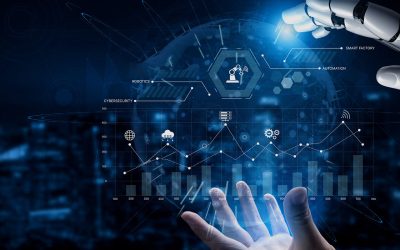
Enterprise IT in 2026 is not simply evolving, it is reinventing itself. The convergence of AI-native applications, intelligent execution pipelines, and zero-trust security is reshaping how organizations innovate, scale, and govern technology. From Bengaluru to Silicon Valley, Frankfurt to Singapore, enterprises are embracing systems that are not just coded, but cognitive.
AI-Native Applications: From Code to Cognition
Applications are no longer static pieces of software; they are AI-native ecosystems. The latest generation of models, such as Claude Opus 4.6, GPT-5, and Gemini Ultra, exemplify this shift. With massive context windows and multi-modal reasoning, these systems can process entire codebases, legal archives, or research datasets in one pass, while seamlessly integrating text, images, and structured data.
The result is software that designs, tests, and debugs itself, while delivering hyper-personalized user experiences. What once took months of development now unfolds in days, redefining the very meaning of “software.”
Democratization Through Low-Code and No-Code Platforms
Innovation is no longer confined to developers. Low-code and no-code platforms empower business users to build applications without deep technical expertise, while developers evolve into AI orchestrators, responsible for governance, integration, and optimization.
This democratization accelerates cycles dramatically. Enterprises across banking, healthcare, and compliance-heavy industries are delivering solutions in weeks rather than months. The enterprise of 2026 is agile by design, with innovation embedded into every function.
Intelligent Execution Pipelines: Speed, Scale, and Resilience
Execution has become the new competitive frontier. Intelligent pipelines integrate cloud-native orchestration, agentic AI, and continuous intelligence. Features like Claude’s “Agent Teams” demonstrate how specialized AI agents collaborate like human teams, managing billions of micro-decisions in deployment, monitoring, and optimization.
Elite performers now deploy code thousands of times per day, achieving unprecedented speed and resilience. For industries like manufacturing and financial services, these pipelines are not just operational tools, they are strategic differentiators.
Zero-Trust Security: Embedded by Design
Cybersecurity is no longer an afterthought; it is embedded into the DNA of enterprise execution. Zero-trust frameworks ensure identity-first access, continuous monitoring, and integrated compliance at every stage of the lifecycle.
As AI expands the enterprise’s risk surface, zero-trust has become the default safeguard. Financial institutions, healthcare providers, and global manufacturers are embedding these frameworks into AI-native pipelines to protect sensitive data and maintain trust at scale.
Enterprise and Policy Implications
The convergence of AI-native apps, democratized development, intelligent pipelines, and zero-trust execution carries profound implications:
- Workforce transformation: Developers must reskill into AI orchestrators, governance specialists, and integration architects.
- Governance frameworks: Multi-agent systems demand accountability, transparency, and ethical oversight.
- Global leadership: Nations and enterprises are setting benchmarks in AI-native execution, with India, the US, and Europe leading the charge.
This is not just a technological shift, it is a governance and policy challenge. Enterprises and governments must collaborate to ensure innovation remains inclusive, ethical, and globally interoperable.
Risks and Challenges
The promise of AI-native enterprise comes with challenges:
- Infrastructure strain from compute-intensive workloads.
- Talent gaps as organizations struggle to reskill developers.
- Governance gaps in multi-agent execution environments.
- Market consolidation, with smaller players at risk of being absorbed into curated ecosystems.
Addressing these challenges requires coordinated action across industry, academia, and government. Investments in infrastructure, workforce reskilling, and governance frameworks will be critical to sustaining momentum.
Conclusion
Enterprise IT in 2026 is not simply evolving, it is reinventing itself. AI-native apps, intelligent pipelines, and zero-trust frameworks are redefining how enterprises innovate, secure, and scale. With Claude, GPT-5, and Gemini Ultra leading breakthroughs, and global IT firms embedding these paradigms into practice, the future of enterprise innovation is clear: intelligence, speed, and trust will define competitive advantage.
Author:
Kishore Kamarajugadda,
VP-Enterprise Architect
LinkedIn: https://www.linkedin.com/in/kvkishore/
Recent Posts
 Beyond Code Generation: Where AI Creates Value Across the SDLC
 The Cloud Cost Reckoning: Why FinOps Must Move from Visibility to Accountability
 ZeroLag Manufacturing: The Connected Enterprise for Event Driven Decisions
 Securing Multi-Cloud in the Age of AI Complexity
 The Real AI Bottleneck May Be Your Cloud Foundation